Blaise Pascal: Tindol Taarorde Ruleet
Ganndo kiisa mo taarorde ndee ɓuri jeyinteede, tawa ko huunde goɗɗum o etiino mahde.
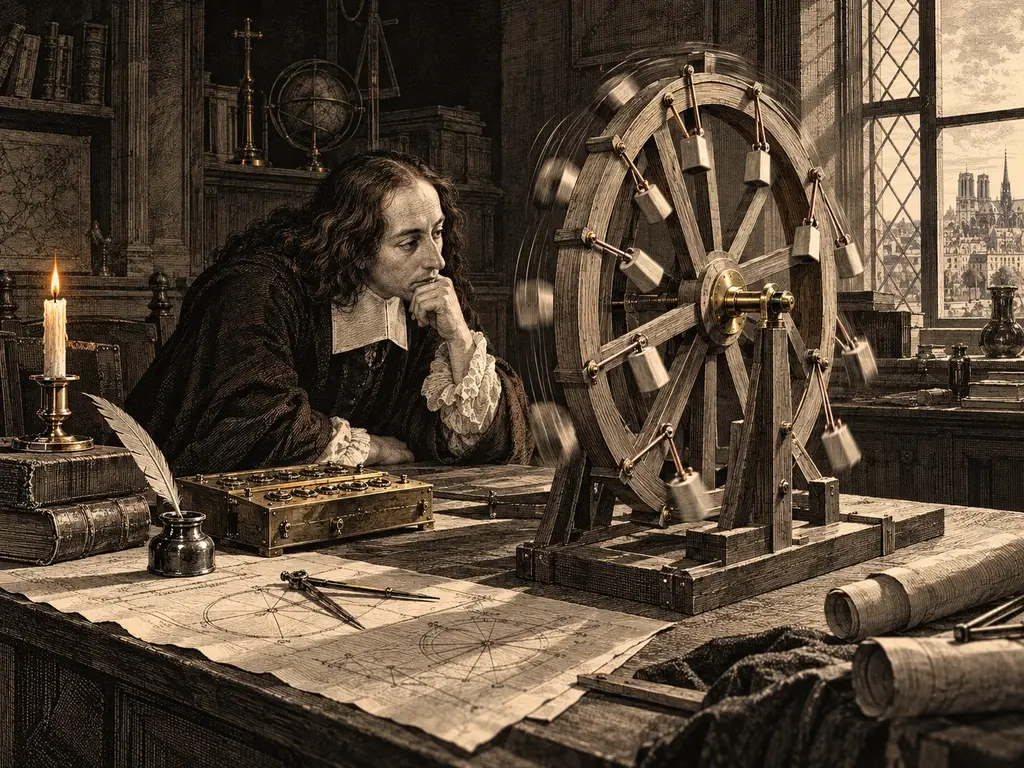
Pascal (1623–1662) ina ƴeewtunoo masiŋaaji dillere poomtotaako e duuɓi 1650. Taarorde taarotoonde e momtondirgol ɓadingol meere ndee nde jeyinte mo ina gasa ko maama rotoor ruleet; jeyingol ngol ko aada, wonaa ko winndaa e dokimaaji.
Ganndo kiisa oo
Pascal worked on geometry, mechanical calculation and pressure as well as probabilitymatematikPorobabiliteSahaa njeñtudi, immorde 0 haa 1 walla 0% haa 100%. Limoore wootere: 1/37 = 2,70%.Tar fof →. His exchange with Fermat in 1654 is an important milestone in the study of games of chance. Earlier writers had also considered gambling problems, so calling him the sole inventor of probability would go too far.
Enee masiŋ ruleet Blaise Pascal woodnoo?
The often-repeated story connects a spinning-wheel experiment with the later casino game. The sources linked here establish Pascal’s mathematical work, but do not document that chain of invention. A plausible mechanical resemblance is not evidence that one device directly became another.
Porobabilite, e konngi makko e konngi amen
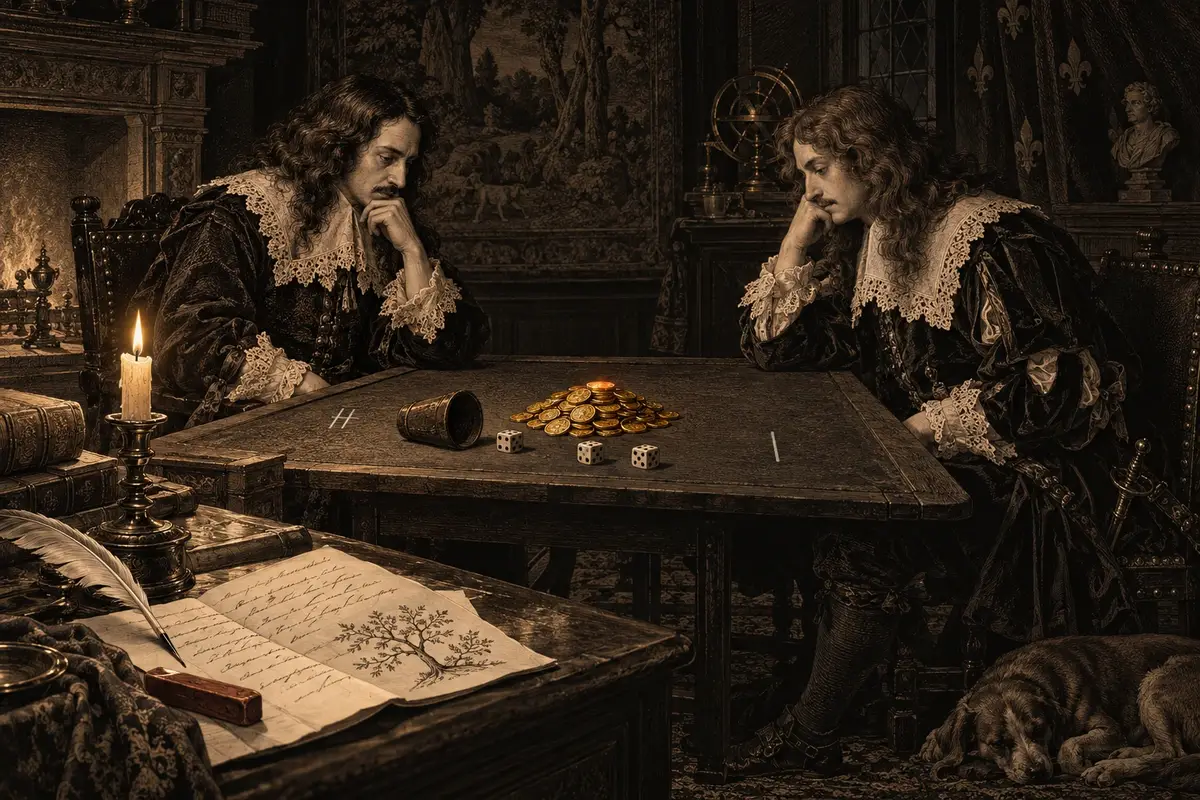
Ɓatakeeji 1654 ɗii yewtaani ruleet, nde woodaano tawo. Ɗi ina naamnoo: fijooɓe ɗiɗo ina njiɗi poentuuji tati ngam dañde kaalis pari fof; ɓe ndarii e 2–1; hono no kaalis ngal feccirtee? Jaabawol Pascal ina huutora ko hannde min inniri njaru fodaandu sarti e miijo ruttotooɗo e lekki jokkondiral fijo ngol ina gasa. Huygens taƴii ɓatakeeji ɗii, e 1657 o saakitii deftere jaŋde adannde e njaru fodaandu. Konngol “expectation” ko makko.
Pari oo
Miijo Pascal ɓurngo lollude e pari yewtaani ruleet, ko Alla ngo yewti: “pari” oo e nder Pensées, mo hollirata gomɗinal wonde pari mo njoɓdi mum alaa keerol. Ɗum ko miijo njaru fodaandu, ko kanko woni laawol adanngol mo neɗɗo huutorii miijo suɓaade ngam hollirde huunde. Fijooɓe ruleet inniɗo Pascal ngam taarorde ina innda Pascal mo wonaa; ɗo kanko fawii ko kanko hollirɗo no coggu pari anndirtee.
Jalnoore ndee
You do not need the invention story to use the mathematics. For a standard straight-up bet on an independent, uniform single-zerotaarordeSeeroSuudu haako wootere nde hay pari njoɓdi fotndi, sappo e ɗiɗi walla kolon kuuɓataa; ko ɗum woni iwdi ɓural kasino. Ina noddee kadi: seero gooto, 0.Tar fof → wheel, a one-unitkaalisInitePari fuɗɗoode mo sistem walla fijoowo gollirta. Jokkondirɗe pari ina cifee e initeeji ngam ɗi kuutoroo e kala taabal.Tar fof → wager has expected net return (35 × 1/37) − (36 × 1/37) = −1/37. That average says nothing certain about the next spin; it explains the disadvantage built into the payoutkaalisNjoɓdiKo pari dañndi ruttata, wiyaa “X e 1” ɓeydaa e pari ruttaaɗo.Tar fof →.
Naamne
O ina yahdunoo e fedde fijooɓe kaalis to Paris e fuɗɗoode duuɓi 1650, ko ɗuum waɗi caɗeele poentuuji yettii mo, rewrude e Chevalier de Méré. Alaa ko winndaa e wonde o fijiima kaalis e nder tiiɗnaare.
Sabu ko daartol moƴƴol, e sabu lollinooɓe kasinooji teemedannde 19ɓiire ina njiɗnoo ngol. Ruttin ngol, kono e winndannde les hello.
Ƴeewndo weltinoowo
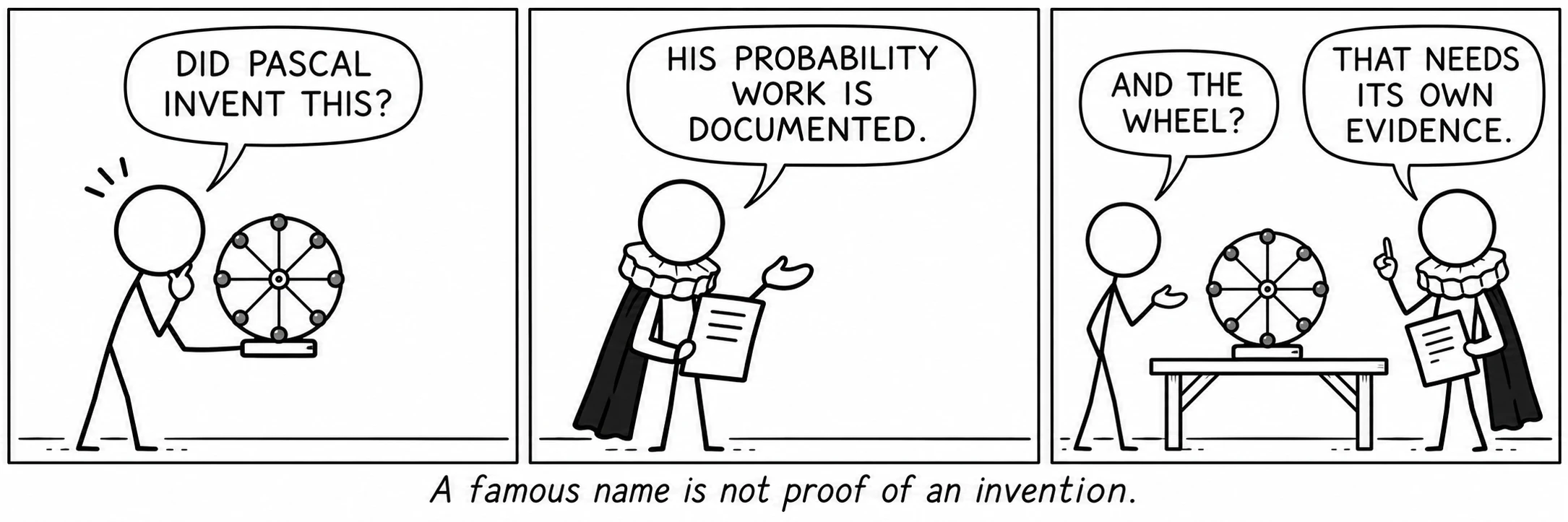
O hollirii wonde a waawaa heɓde huunde e meere. Caggal ɗuum, goɗɗo mahi kasino e dow mum.
Iwdi
- Pascal, B. & Fermat, P. Ɓatakeeji e caɗeele poentuuji.
- Huygens, C. De Ratiociniis in Ludo Aleae.