No Taarorde Ruleet Ooñiinde Anndirtee
Winndu, limto, ƴeewndo, caggal ɗuum ɓeydu winndude: ko non ooñol taarorde ruleet anndirtee.
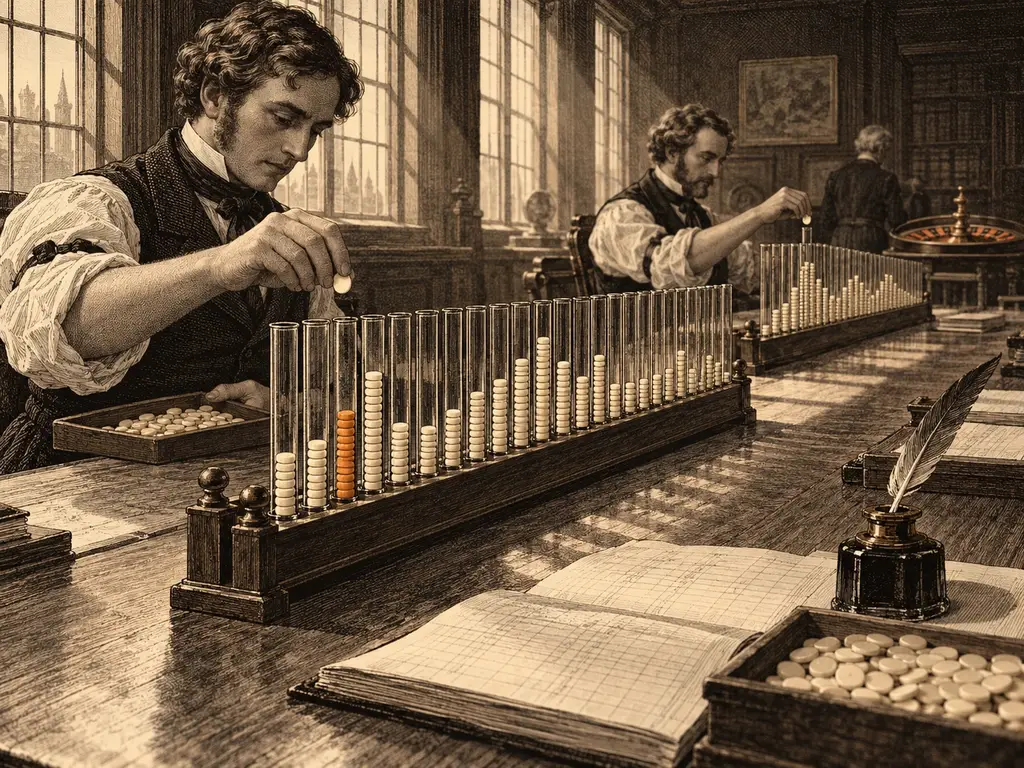
Use a reliable record from one identified wheel, choose the test before inspecting results, and confirm any finding with independent data. Sample size depends on the effect you want to detect.
1. Winndu
Record every outcome from one identified wheel, with dates and any known equipment changes. Missing rounds and changes of wheel can distort the analysis. There is no universal 1,000-spin minimum: validity and power depend on the test and the effect being studied.
2. Limto e ƴeewndo
For a fair single-zerotaarordeSeeroSuudu haako wootere nde hay pari njoɓdi fotndi, sappo e ɗiɗi walla kolon kuuɓataa; ko ɗum woni iwdi ɓural kasino. Ina noddee kadi: seero gooto, 0.Tar fof → wheel, expected hits are n/37 per pocketkuutorɗeSuuduGootel e cuuɗi 37 limoraaɗi e rotoor. Ina noddee kadi: wenndu, kopp.Tar fof →. Sum (observed − expected)² / expected across all 37 pockets. Under independent uniform spins, compare the result with an approximate chi-square distribution on 36 degrees of freedomlaboratuwaarDarajaaji ndimaaguLimoore njaruuji ceertuɗi nder statistik. E ƴeewndo kii-kaare e cuuɗi 37 ko 36, sabu limooje yaltuɗe ina poti hawrude e limoore fof.Tar fof →. Choose any extra pocket or sectortaarordeGeɗal taarordeCeeɓnde cuuɗi takkondirɗi e taarorde, ceertunde e mooftere e tapi.Tar fof → tests in advance.
3. Waɗtu
A second independent sample checks whether the finding persists. Real effects can fail to reach significance again, and chance findings can recur. If you splitpariLimooje ɗiɗiLimooje ɗiɗi takkondirɗe, ina yoɓa 17:1.Tar fof → a record, keep the confirmation half unseen while choosing the hypothesis on the first half. Account for all tests tried.
4. Betu mawneeje mum
On a 35:1 straight-up payoutkaalisNjoɓdiKo pari dañndi ruttata, wiyaa “X e 1” ɓeydaa e pari ruttaaɗo.Tar fof →, expected net return per unitkaalisInitePari fuɗɗoode mo sistem walla fijoowo gollirta. Jokkondirɗe pari ina cifee e initeeji ngam ɗi kuutoroo e kala taabal.Tar fof → is 36p − 1. A true hit probabilitymatematikPorobabiliteSahaa njeñtudi, immorde 0 haa 1 walla 0% haa 100%. Limoore wootere: 1/37 = 2,70%.Tar fof → of 1/36 breaks even; profitability requires more. An observed rate is an estimate with uncertainty, especially if you chose the hottest pocket after seeing the data.
Caggal ɗuum: anndugol ooñol taarorde ruleet e kasinooji jamaanu
A statistical finding alone does not identify its physical cause or guarantee that the pattern will persist. Recording errors, changing equipment and changing operating conditions need investigation. Historical examples are covered separately; no maintenance schedule guarantees that every possible bias is detected first.
Suudu ɓurndu heɓeede ina woodi sahaa kala
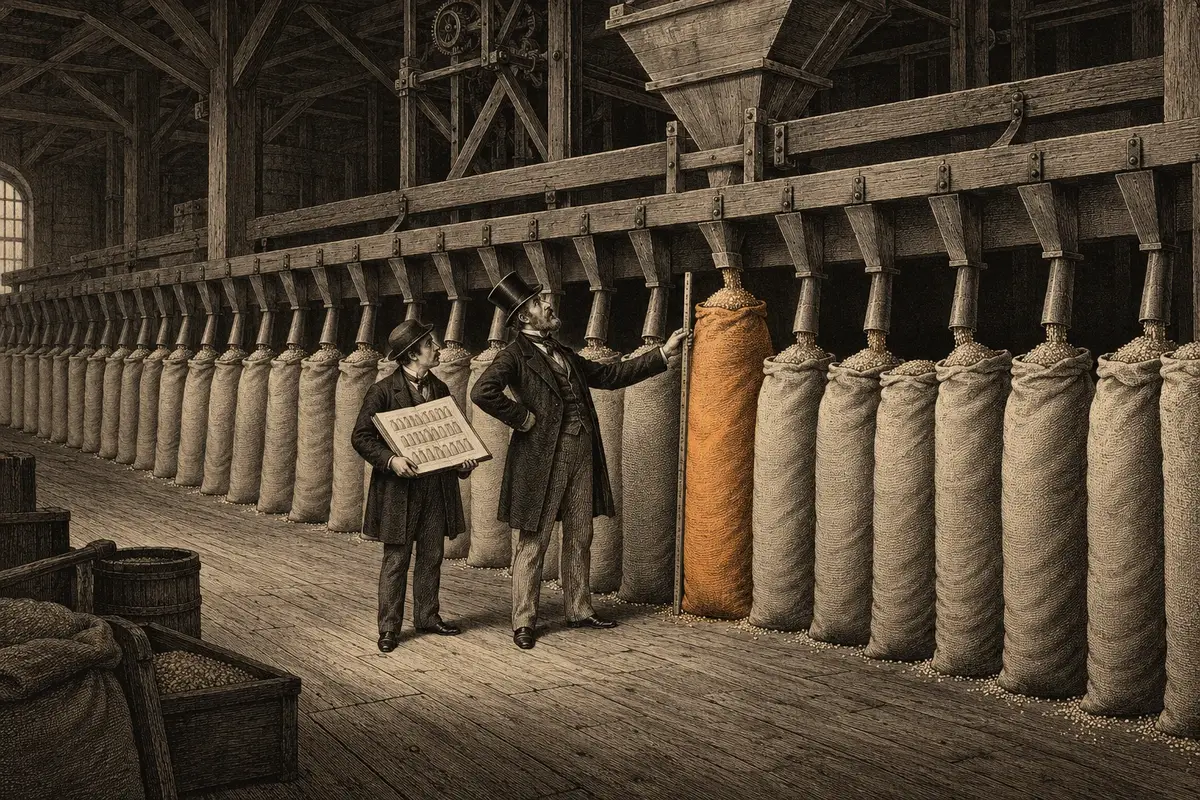
Suɓaade suudu ɓurndu heɓeede ƴeewndaa ndu tan ko faa, sabu taarorde peewnde ina jogii suudu ɓurndu heɓeede sahaa kala. Caggal taarle 3 700, kala suudu ina fodaa laabi 100, kono ndu ɓurndu heɓeede ko heewi ina holla hedde 122, e misal gootal e noogaas ina holla 131 walla ko ɓuri. Ndu ɓurndu famɗude ko heewi ina holla hedde 79. Ɗum noon suudu heɓaandu 125 e taarle 3 700 wonaa yiytere: fotndu ndu e ko suudu ɓurndu heɓeede e taarorde peewnde waɗata, wonaa e 100.
Juumre aadanteeje
Do not pool unidentified wheels and interpret the result as a diagnosis of one wheel. Do not choose a sector after seeing the data without accounting for that search. Uniform marginal counts also do not establish independence: a process can have dependence without an obvious pocket-frequency imbalance.
Naamne
1 000 ngam waawde waɗde ƴeewndo oo; ujunnaaje keewɗe ngam anndude ooñol nafoowol; ujunnaaje sappoji ngam teeŋtinde ɗum.
So tan ina holla taarorde ndee ina holla taarle haaniiɗe. Tabalooji ɗi ɓuri heewde ina kolla 20 haa 500, ɗum heewaani.
Wonde taarorde ndee ina sikkitii wonde ina rokka njeñtuɗi fotɗi. Wonaa wonde suudu ina yoɓa no haanirta, wonaa kadi wonde mbaadi ndee ina heddoo.
Weltaare e Matematik
Etu ɗum hoore maa adii. Kala jaabawol ina suuɗii; uddit ɗum so a heblii.
Consider a hypothetical outcome distribution with probabilitymatematikPorobabiliteSahaa njeñtudi, immorde 0 haa 1 walla 0% haa 100%. Limoore wootere: 1/37 = 2,70%.Tar fof → 15/37 for redpariBoɗeerePari njoɓdi fotndi e limooje 18 boɗeeje. E Farayse: rouge.Tar fof →, 21/37 for blackpariƁaleerePari njoɓdi fotndi e limooje 18 ɓaleeje. E Farayse: noir.Tar fof → and 1/37 for zerotaarordeSeeroSuudu haako wootere nde hay pari njoɓdi fotndi, sappo e ɗiɗi walla kolon kuuɓataa; ko ɗum woni iwdi ɓural kasino. Ina noddee kadi: seero gooto, 0.Tar fof →. Red and black bets pay 1:1. Find their expected returns as percentages of the stake.
Hollu jaabawol ngol
Jaabawol Coggu boɗeere ko 18,9%; ɓaleere ina daña 13,5%.
Boɗeere ina daña laabi 15 e nder 37 ina majja 22: (15 − 22)/37 = −18,9%. Ɓaleere ina daña laabi 21 ina majja 16: (21 − 16)/37 = +13,5%.
Ooñol ina taƴa ɓerɗe ɗiɗi. Taarorde rokkoore ɓural fijoowo betti ɗum ina yoɓa fijoowo jokki noone mo wonaa ngoo coggu ɓurɗo aadanteeɗo oo laabi jeeɗiɗi. Hunacek (2025) ina huutoroo misal nanndungal e ɗum.
Cuuɗi tati e nder 37 ko juumre ɓurnde mawnude. Ooñol goonga ko feccere seeɗa e ɗum sahaa heewɗo, ina naamnoo taarle ujunnaaje ngam senndude ɗum e hawrugol, hono no hello oo hollirta.
Ƴeewndo weltinoowo
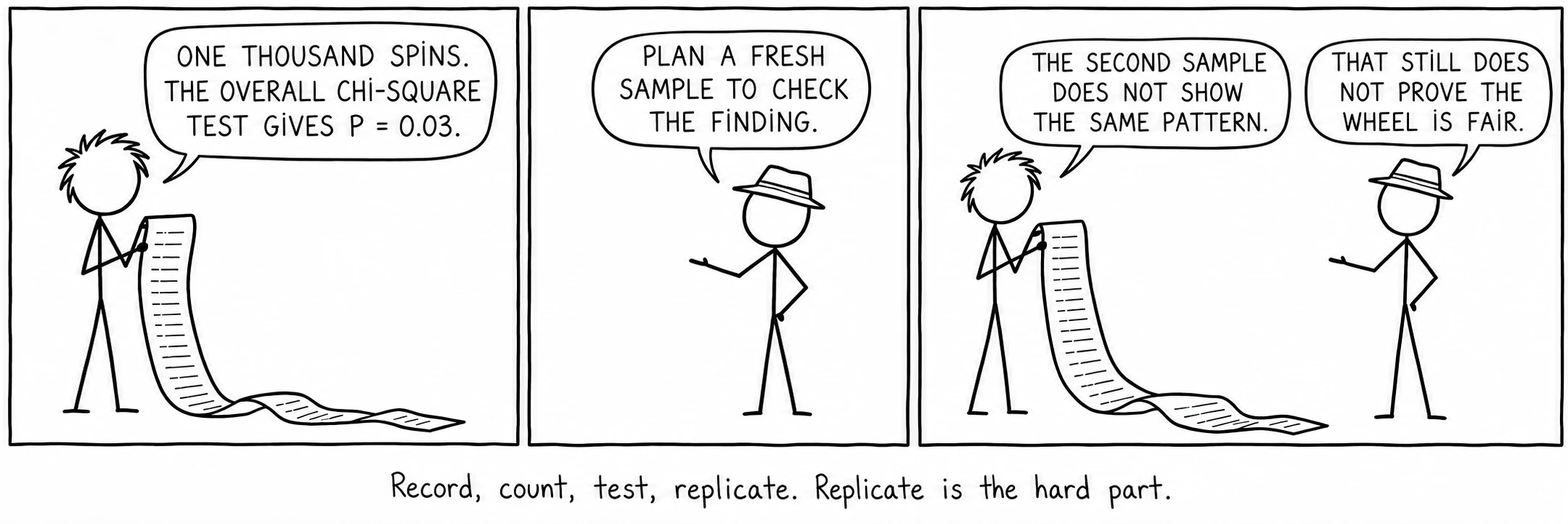
Winndu, limto, ƴeewndo, waɗtu. Waɗtugol ko ɗum ɓuri caɗtude.
Iwdi
- Pearson, K. “On the criterion that a given system of deviations from the probable…”
- Barnhart, R. T. Beating the Wheel.